
Date: Tuesday, 2nd September 2025, 15:30-17:00
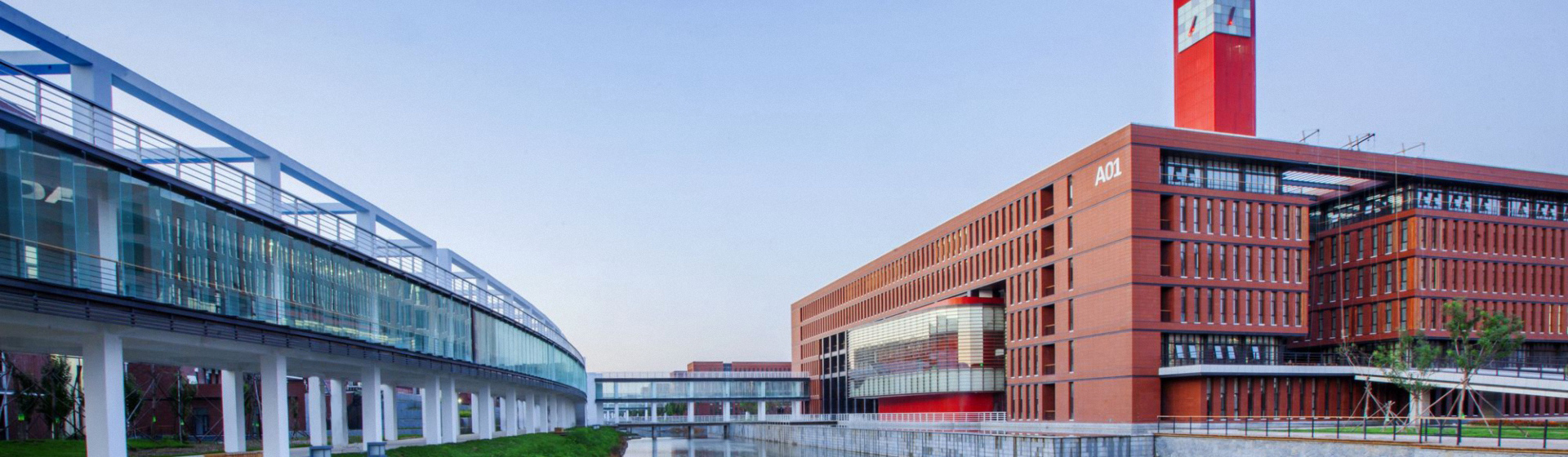
Location: This seminar is in person only in D01-201, School of Chemical Engineering, Ocean and Life Sciences.
Main Speaker:
Prof. Cameron Brown is chair in Biomedical Engineering and Director of the Medical Engineering Research Facility at the Queensland Univers ity of Technology (QUT), Australia. He has previously worked at INRS, Università di Roma Tor Vergata, and the University of Oxford, where he spent the majority of his research career. Prof. Brown’s research is led through the Photonics and Mechanics of Biomedical Materials Group, with an interest in the structure-property-function relationships in biological materials and systems, and the synthetic materials that interact with them. His group uses experimental and computational tools to help understand these relationships in a range of biomedical materials such as spider silk and ivory, human cells and tissues, and the synthetic materials and surfaces used in medicine. In addition to basic science research, the group is involved in a number of translational activities with a focus on the musculoskeletal system, including the development of nano/microrockets for surgery, optics-based treatment devices, and component technologies for surgical robotics.
Abstract:
Nature abounds with interesting materials, many of which are to be found in our own bodies. Here, we will explore the structure-property relationships that deliver function in two outstanding materials of the natural world: spider silk and collagen. Spider silk, one of the toughest natural materials known, is recyclable, biodegradable, and produced with green chemistry, all at the energetic cost of an insect dinner. Collagen, in contrast, is exceptional in its multifunctionality, forming the basic building block of mammalian tissues such as skin, bone, tendon, cartilage, teeth and even our eyes. Having examined the fibre level properties, we will take a little time to look at higher levels of hierarchy and how we might understand and interact with the structures we see.

Address: No.2 Dagong Road, Liaodong Bay New District, Panjin City, Liaoning Province, P.R.C., 124221
Tel: +86-427-2631925 +86-427-2631933
Email: pjdut@dlut.edu.cn
Fax: +86-427-2631928